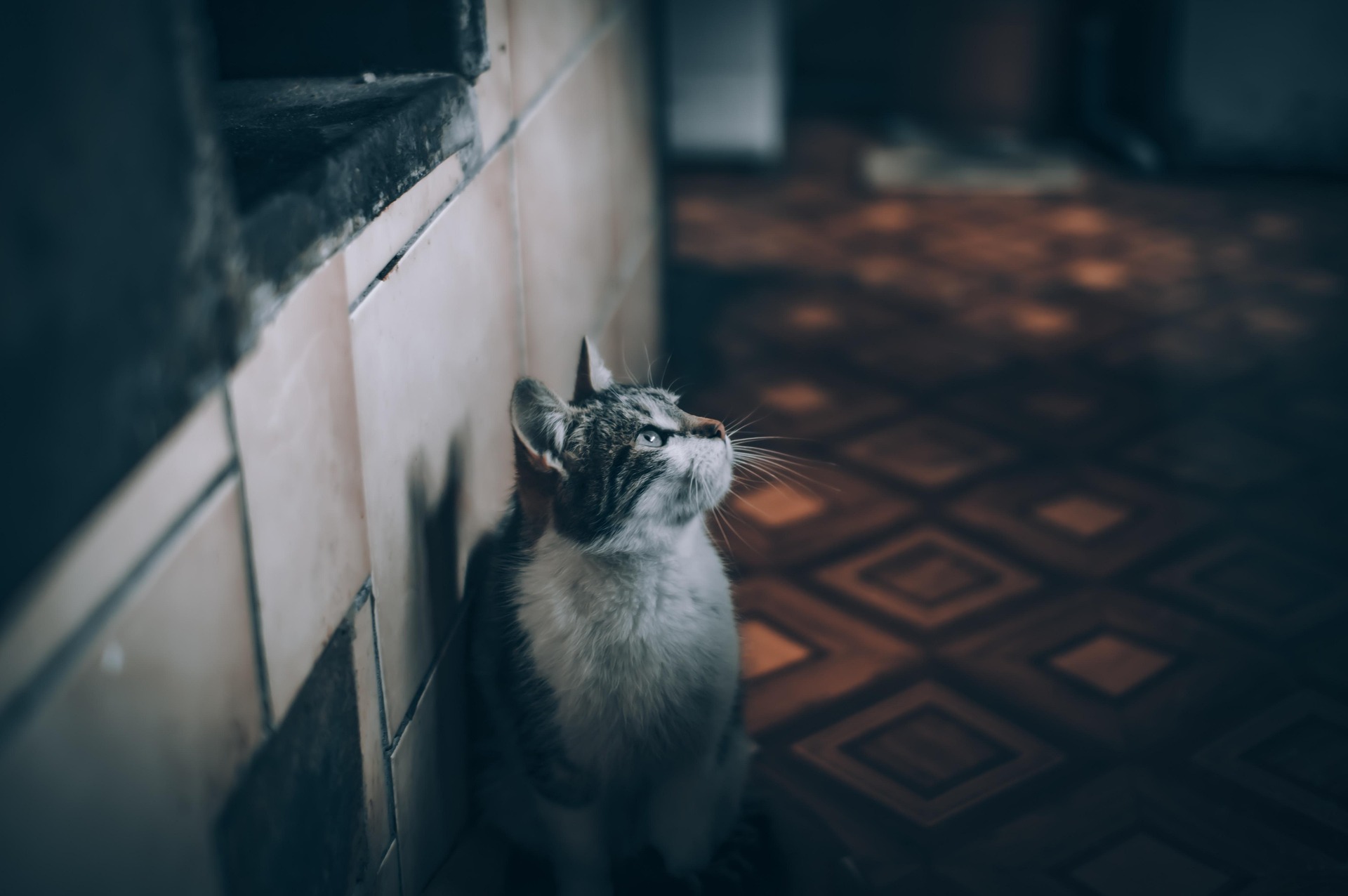
I used to think that providing a safe indoor life for my cat was enough. I had the scratching posts, the premium kibble, and the sunny window spots. But then the midnight yowling started. Then the sofa shredding. It took me a while to realize that while my cat was safe from cars and coyotes, he was dying of boredom.
In the feline world, boredom isn’t just having nothing to do. It is a chronic stressor. When a predator with high wired instincts has nothing to hunt, climb, or solve, those instincts don’t just vanish. They turn into bad behavior. This is where enrichment for house cats moves from a luxury to a biological necessity.
Table of Contents
Enrichment for House Cats: Re-Wilding Your Indoor Cat
catbehaviorhq.com
- 01 Is Your Cat “Bad” or Just Bored? →
- 02 Why Enrichment Is a Biological Requirement →
- 03 5 DIY Ways I Re-Wilded My Apartment →
- 04 DIY #1 – The Vertical Treat Scavenge →
- 05 DIY #2 – Scent Souvenirs →
- 06 DIY #3 – The Poor Man’s Puzzle Feeder →
- 07 DIY #4 – Mimic the Real Hunt →
- 08 DIY #5 – Rotate, Don’t Accumulate →
- 09 Common Mistakes to Avoid →
- 10 Final Thoughts →
Is Your Cat Actually “Bad” or Just Bored?
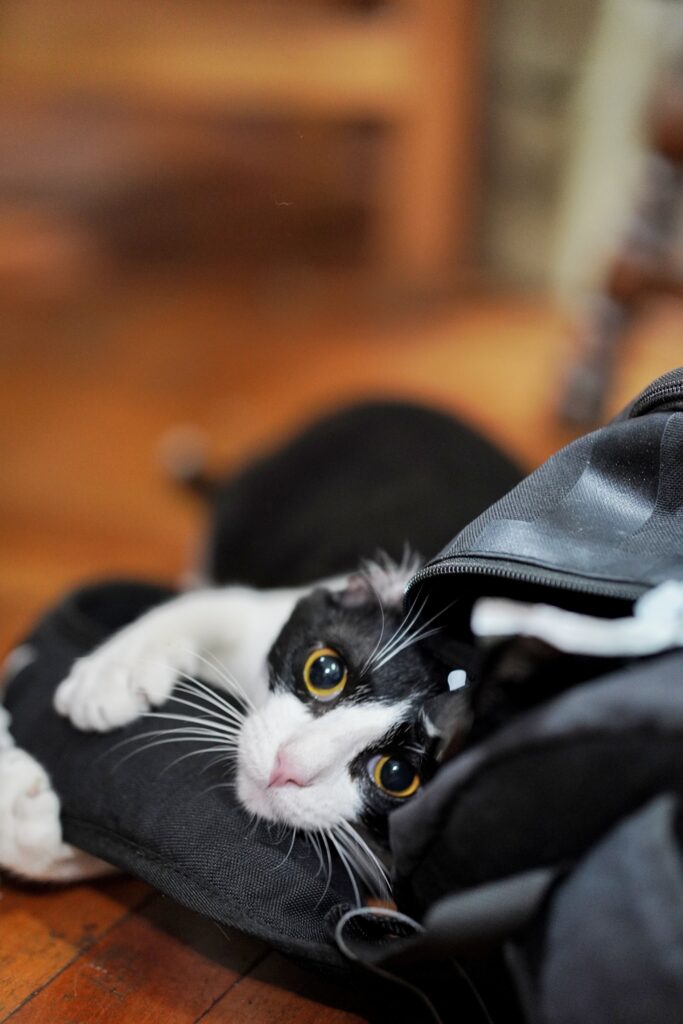
Before you assume your cat is being spiteful, look for these silent red flags that suggest a lack of enrichment for house cats:
- The Midnight Zoomies that involve knocking things over.
- Overgrooming (licking the same spot until the fur is thin).
- Staring at walls or sleeping 22 hours a day. This is often depression, not laziness.
- Furry Stapler behavior (nipping at your ankles as you walk by).
If this sounds familiar, your cat doesn’t need a timeout. They need a lifestyle change.
The Science: Why Enrichment for House Cats is a Requirement
We often treat play like an optional hobby, but science says otherwise. A landmark study published in the Journal of Feline Medicine and Surgery (2016) concluded that foraging enrichment (making cats work for their food) significantly reduces signs of stress, inter-cat aggression, and obesity.
Another massive study by the University of Helsinki (2021) involving over 5,700 cats found that a lack of environmental enrichment for house cats was one of the strongest predictors of fearfulness and aggression. Essentially, a bored cat is an anxious cat. When a cat cannot express its natural Contrafreeloading instinct (the desire to work for food even when it is freely available) their mental health declines.
Nutrition also plays a massive role here. A cat with unstable energy levels from a poor diet is more likely to be frustrated. You can check if your cat’s baseline needs are met with our Advanced Cat Nutrition Calculator.
5 DIY Ways I “Re-Wilded” My Apartment
Effective enrichment for house cats doesn’t require a $500 cat wall. You just need to stop making life so easy for them.
1. The Vertical Treat Scavenge
Cats are three dimensional animals, but we often live in a two dimensional way.
- The Fix: Stop putting treats in a bowl. Hide them on the third shelf of a bookshelf, on top of the fridge, or partway up a cat tree.
- Why it works: It forces them to use their core muscles and spatial awareness. If you see your cat’s tail thumping while they search, check our Cat Body Language Mood Decoder to see if they are excited or getting frustrated.
2. Scent Souvenirs
Indoor cats live in a smell desert. Everything smells like your laundry detergent.
- The Fix: Bring the outdoors in. Bring home a large, clean stone from the park, a dried pinecone, or even a paper bag from a grocery store in a different neighborhood.
- The Rule: Let them sniff it for an hour, then throw it away. Novelty is the key to sensory enrichment for house cats.
3. The Poor Man’s Puzzle Feeder
- The Fix: Take an old muffin tin. Put a few pieces of kibble in the cups, but cover them with ping pong balls or crumpled up paper.
- Why it works: They have to use their paws and brain to unlock the food. This mental work is more tiring for a cat than a 20 minute run.
4. Mimic the Real Hunt
Most people wave a wand toy around like a helicopter. Have you ever seen a mouse fly? No.
- The Move: Make the toy act like prey. Move it away from the cat, hide it behind a box, and let it scuttle.
- The Finish: Always let them catch it at the end and give them a treat. This ends the hunt in their brain. If they don’t get that catch, they might take that pent up energy out on you. This is a leading cause of cat biting incidents.
5. Rotate, Don’t Accumulate
If your cat has a basket of 20 toys on the floor, they actually have zero toys. They have seen them all. They are dead prey.
- The Fix: Put 15 of them in a drawer. Every Sunday, swap the 5 on the floor for 5 from the drawer.
Common Mistakes in Enrichment for House Cats
- The Laser Pointer Trap: Laser pointers can cause Obsessive Compulsive behaviors because there is no physical catch. If you use one, always end the session by pointing the laser at a physical toy they can actually sink their claws into.
- Ignoring Vertical Space: For anxious cats who hide all day, vertical space is a safety net. If your cat is constantly tucked away under the bed, read our guide on why cats hide and how to help.
Final Thoughts
Proper enrichment for house cats is not about fun. It is about meeting biological needs. When cats can climb, hunt, and solve problems, 90% of behavior problems usually just disappear.
If your cat is still showing signs of distress like constant vocalizing, don’t ignore the noise. It could be a sign of deeper anxiety. See my deep dive on why cats meow constantly to rule out other issues.
Alexander Cat behavior writer. I spend my time digging through veterinary studies so you don’t have to. My goal is to help you speak cat without the guesswork.
Frequently Asked Questions
The most common questions cat owners ask about enrichment for house cats — answered clearly and concisely.