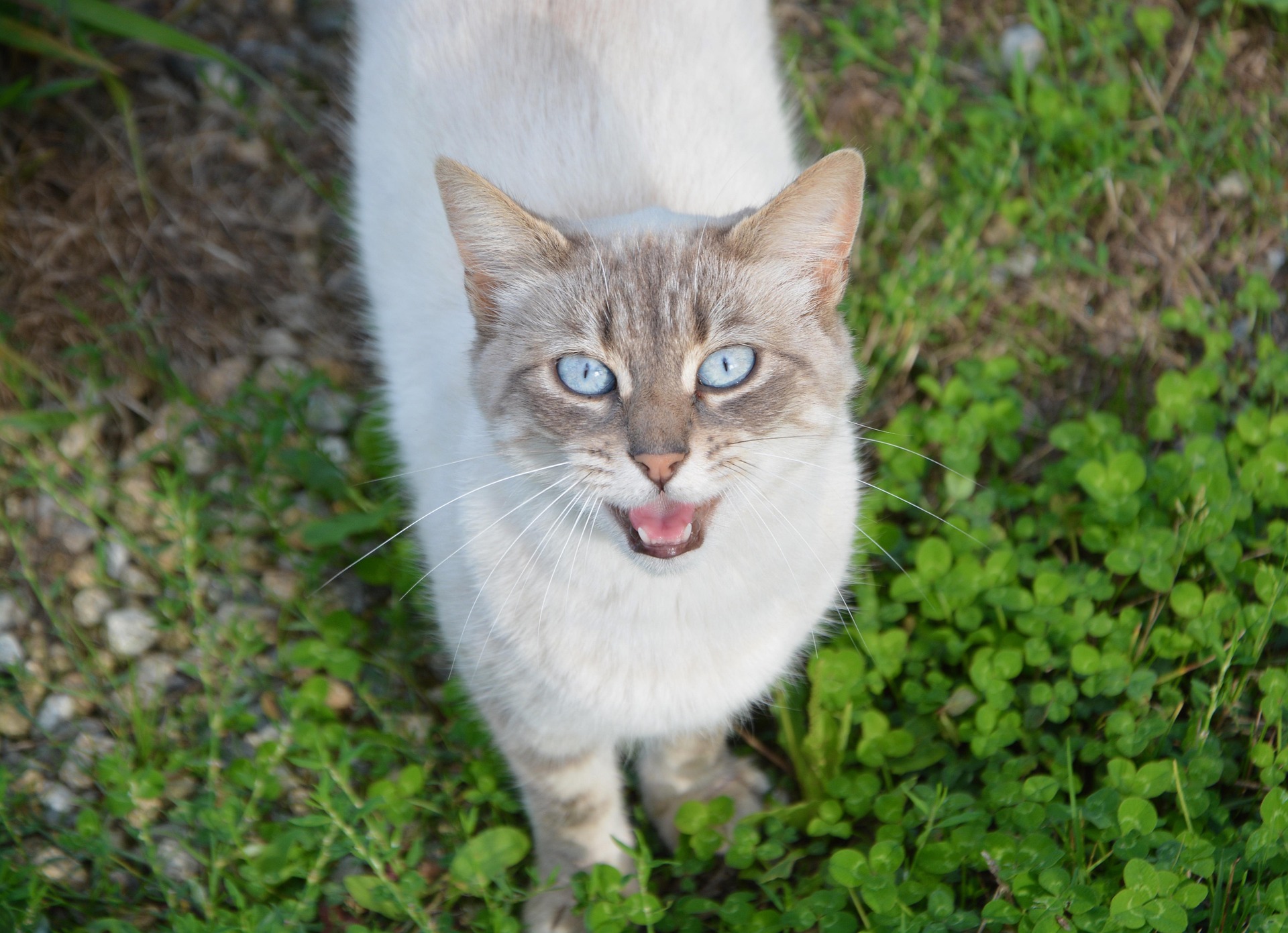
Is your cat constantly meowing? It can quickly become frustrating and concerning. While occasional vocalizing is normal, nonstop meowing is almost always a sign that something is wrong. Cats don’t meow excessively without a reason they are trying to communicate a need, emotion, or discomfort.
In this guide, you’ll learn why your cat is constantly meowing, what the most common causes are, and exactly how to stop excessive meowing in a healthy, long-term way.
Is Your Cat Eating the Right Amount?
Nutrition is the foundation of behavior. To ensure your cat is healthy and happy, try our Advanced Cat Nutrition Calculator.
- What Does It Mean When Your Cat Is Constantly Meowing?
- 1. Cat Constantly Meowing for Attention
- 2. Cat Constantly Meowing Because of Hunger
- 3. Cat Constantly Meowing Due to Stress or Anxiety
- 4. Medical Reasons On Cat Constantly Meowing
- 5. Age-Related Reasons Your Cat Constantly Meowing
- 6. Environmental Triggers You May Be Missing
- 7. How to Stop a Cat From Constantly Meowing (Step-by-Step)
- When Cat Constantly Meowing Is an Emergency
- Final Thoughts
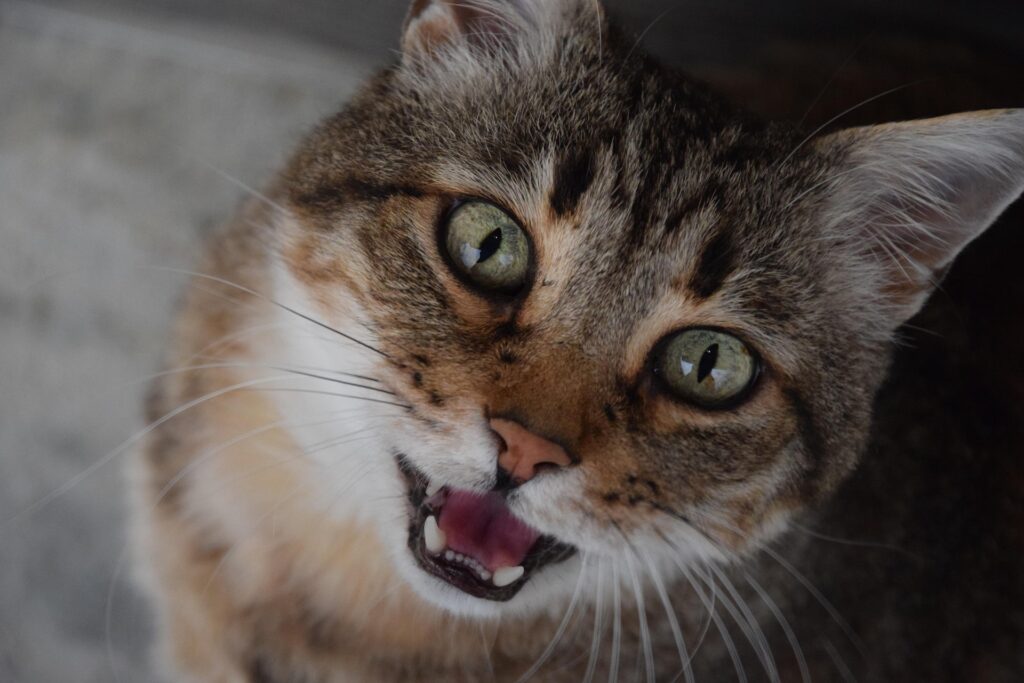
What Does It Mean When Your Cat Is Constantly Meowing?
When a cat is constantly meowing, it usually means one of the following:
- Attention-seeking behavior
- Hunger or food-related routines
- Stress or anxiety
- Medical discomfort or pain
- Cognitive or age-related changes
Excessive vocalization is communication, not misbehavior. Your cat is telling you something — the key is learning what.
Understanding communication is critical.
Understanding Cat Body Language: A Complete Beginner’s Guide
1. Cat Constantly Meowing for Attention
One of the most common reasons a cat is constantly meowing is attention-seeking behavior.
Cats quickly learn patterns. If meowing leads to petting, talking, or food, the behavior gets reinforced.
Signs Your Cat Is Meowing for Attention
- Meowing when you sit down or lie in bed
- Following you around the house while vocalizing
- Meowing when you’re on your phone or working
- Quieting down immediately when you interact
How to Stop Attention-Based Meowing
- Schedule daily interactive play sessions (10–15 minutes, 2x/day)
- Ignore the meowing and reward silence instead
- Use puzzle feeders and enrichment toys
- Never yell it still counts as attention
Cat Won’t Stop Meowing: The Truth & Mysterious Secrets
2. Cat Constantly Meowing Because of Hunger
A cat that is constantly meowing may be trying to tell you they expect food not that they’re starving.
Signs Hunger Is the Cause
- Meowing increases near mealtimes
- Waiting near the food bowl or kitchen
- Becoming louder when ignored
- Meowing stops after eating
How to Fix Hunger-Related Meowing
- Feed at the same times every day
- Use an automatic feeder to remove you from the equation
- Avoid feeding while your cat is actively meowing
- Offer a small protein snack before bedtime
Cats are creatures of habit. If meowing equals food, they will repeat it.
3. Cat Constantly Meowing Due to Stress or Anxiety
Stress is one of the most overlooked reasons a cat is constantly meowing.
Common Stress Triggers
- Moving to a new home
- New pets or people
- Loud noises or construction
- Changes in routine
- Seeing other cats outside
Signs of Stress-Induced Meowing
- Pacing or restlessness
- Hiding followed by vocalizing
- Clinginess or sudden aggression
- Tail flicking or flattened ears
How to Reduce Stress Meowing
- Create predictable daily routines
- Provide safe hiding spots and high perches
- Use pheromone diffusers (Feliway-style)
- Increase play and mental stimulation
In some cats, this stress is linked to feline separation anxiety, which can cause excessive vocalization when a cat feels unsafe or left alone.
4. Medical Reasons On Cat Constantly Meowing
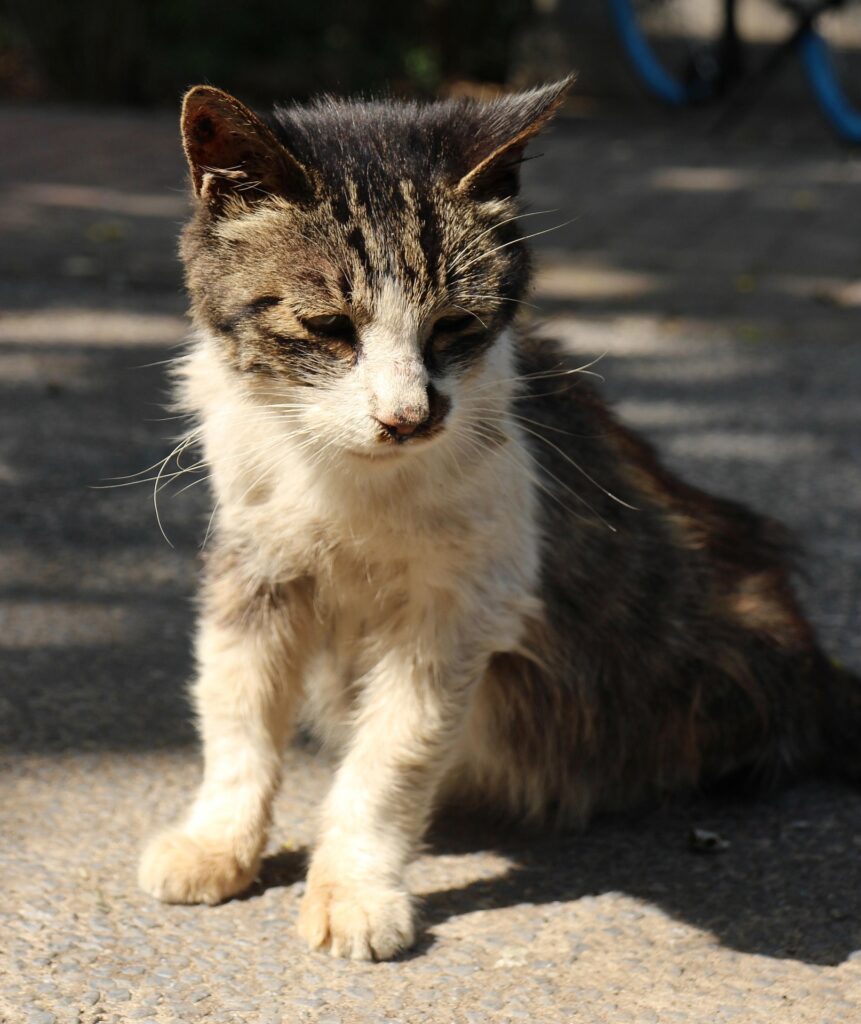
If your cat suddenly becomes constantly vocal, medical causes must be ruled out first.
Possible Medical Causes
- Hyperthyroidism (very common in senior cats)
- Urinary tract infections
- Kidney disease
- Dental pain
- Arthritis
- Cognitive dysfunction
- Vision or hearing loss
Warning Signs That Require a Vet Visit
- Sudden increase in meowing
- Weight loss with vocalization
- Crying in the litter box
- Nighttime yowling
- Changes in appetite or behavior
Medical issues often show up as vocal changes before other symptoms.
5. Age-Related Reasons Your Cat Constantly Meowing
Kittens
Kittens may constantly meow because they are:
- Lonely
- Hungry
- Overstimulated
- Still learning how to self-soothe
Senior Cats
Older cats may meow more due to:
- Confusion or disorientation
- Cognitive dysfunction (cat dementia)
- Anxiety, especially at night
- Sensory decline
How to Help Older Cats
- Leave night lights on
- Keep furniture placement consistent
- Provide warm, accessible sleeping areas
- Speak with your vet about senior supplements
6. Environmental Triggers You May Be Missing
Sometimes the reason your cat is constantly meowing isn’t inside your home it’s outside.
Common Environmental Triggers
- Birds or wildlife
- Outdoor cats
- New smells or furniture
- Noisy neighbors
Cats are extremely sensitive to territorial changes and sounds.
7. How to Stop a Cat From Constantly Meowing (Step-by-Step)
Step 1: Identify the Cause
Ask yourself:
- When does the meowing happen?
- What changed recently?
- What is your cat’s body language saying?
Step 2: Build a Predictable Routine
Cats thrive on consistency.
Step 3: Increase Enrichment
A bored cat becomes a vocal cat.
Step 4: Do Not Reinforce Meowing
Do not:
- Feed
- Talk
- Pet
- Open doors
Wait for silence → then reward.
Step 5: See a Vet if the Behavior Is Sudden
Especially important for senior cats.
When Cat Constantly Meowing Is an Emergency
Seek immediate veterinary care if your cat’s meowing is paired with:
- Difficulty breathing
- Collapse or lethargy
- Blood in urine
- Crying while urinating
- Severe disorientation
Cats rarely cry loudly unless something is seriously wrong.
Why is my cat constantly meowing all of a sudden?
If your cat is constantly meowing suddenly, it usually means something has changed. Common causes include stress, a disrupted routine, hunger patterns, or an underlying medical issue. Sudden vocal changes should always be taken seriously, especially in senior cats.
Is it normal for a cat to constantly meow?
No. While some cats are naturally more vocal than others, constant meowing is not normal behavior. Excessive vocalization is a form of communication that usually signals discomfort, stress, boredom, or illness.
Can anxiety cause a cat to constantly meow?
Yes. Anxiety is one of the most common reasons a cat is constantly meowing. Changes in the environment, new pets, loud noises, or separation anxiety can all trigger excessive vocalization.
Do certain cat breeds meow more than others?
Yes. Some breeds, such as Siamese, Oriental Shorthairs, and Bengals, are known to be more vocal. However, even vocal breeds should not meow constantly without a clear reason.
Why is my cat constantly meowing for food even after eating?
This behavior is often learned. If your cat has been rewarded with food during meowing in the past, they may continue vocalizing out of habit. Medical issues such as hyperthyroidism can also cause increased hunger and meowing.
Can medical problems cause constant meowing in cats?
Absolutely. Medical conditions such as hyperthyroidism, urinary tract infections, kidney disease, pain, cognitive dysfunction, or sensory loss can all cause a cat to meow excessively. A vet visit is recommended if meowing increases suddenly.
How long does it take to stop a cat from constantly meowing?
Once the underlying cause is addressed, improvement can occur within days to weeks. Behavioral causes often improve faster than medical causes, which may require ongoing treatment.
Should I ignore my cat when it constantly meows?
You should ignore attention-seeking meowing, but never ignore signs of pain, distress, or illness. The key is identifying why your cat is meowing before deciding how to respond.
Is constant meowing at night different from daytime meowing?
Yes. Nighttime meowing is often linked to boredom, anxiety, hunger, or age-related cognitive changes. If your cat meows constantly at night, it may require a different solution than daytime vocalization.
Cat Meowing at Night: Hidden Causes & Powerful Solutions
Final Thoughts
If your cat is constantly meowing, they are not being difficult they are communicating. Once you understand the cause, you can respond in a way that reduces stress, improves well-being, and restores peace in your home.
Consistency, patience, and proper diagnosis are the keys to stopping excessive meowing for good.