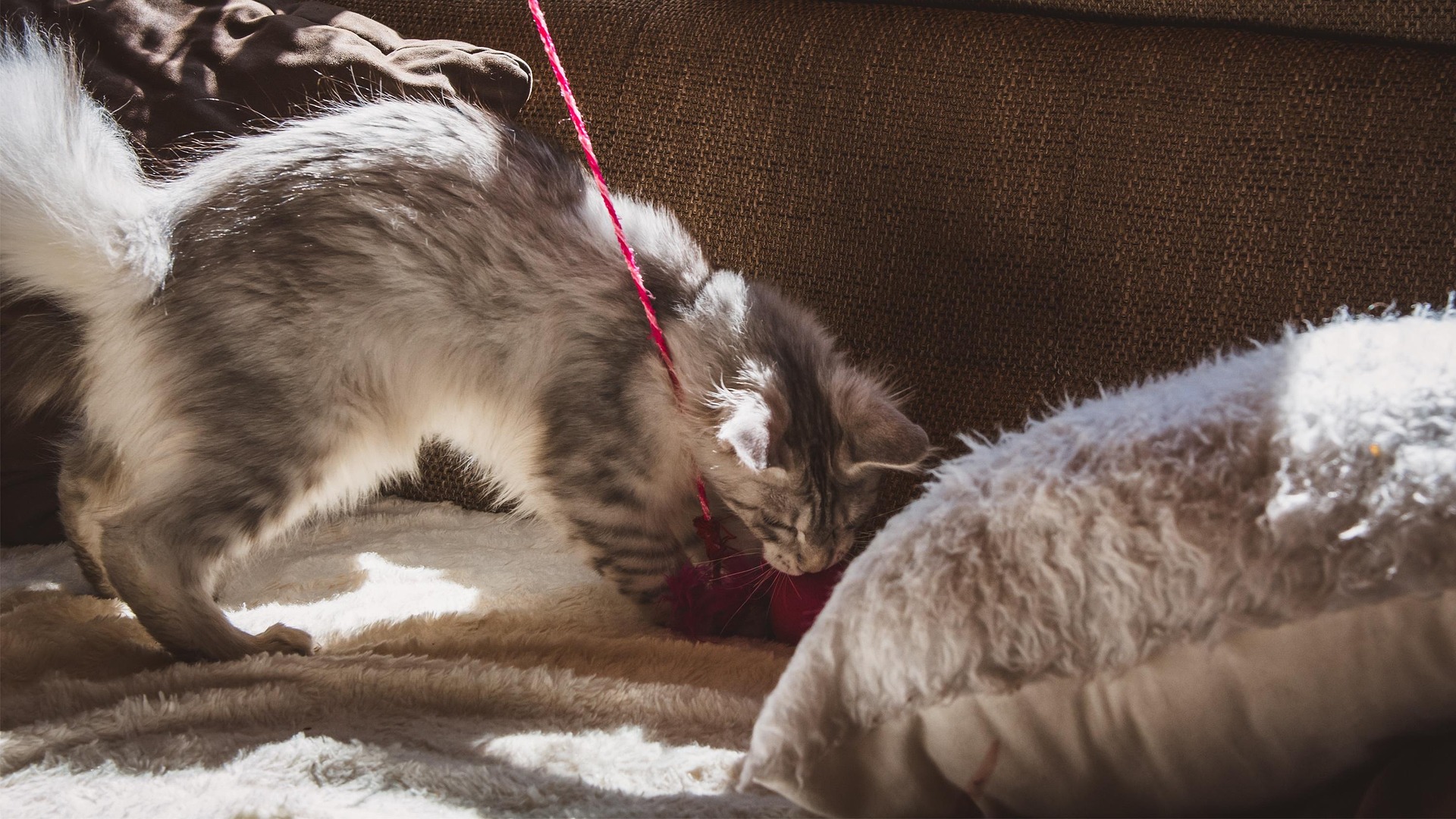
I still remember the day I brought home a new velvet armchair only to find my cat using the corner of it as a personal gym within twenty minutes. It is easy to feel like your cat is being spiteful, but as a behaviorist, I can tell you that is rarely the case.
If your cat clawing sofa behavior is driving you crazy, you are not alone. This is not a “bad” cat habit; it is a biological requirement. In this guide, I will show you why your sofa is so appealing to your cat and how we can use science to save your upholstery without causing your cat any stress.
Before We Fix the Behavior, Check the Fuel
A frustrated cat is often a hungry or poorly nourished cat. Nutrition is the foundation of all behavior. To ensure your cat has the right energy balance for training, try our Advanced Cat Nutrition Calculator.
Table of Contents
Cat Clawing Sofa: Why It Happens and How to Stop It
catbehaviorhq.com
- 01 Before We Fix the Behavior, Check the Fuel →
- 02 Why Do Cats Claw the Sofa? →
- 03 The Sofa as a Scent Billboard →
- 04 High Arousal and the Zoomies →
- 05 The Contrafreeloading Instinct →
- 06 The Sofa vs. Post Battle →
- 07 How to Stop the Behavior Step by Step →
- 08 Frequently Asked Questions →
- 09 Final Thoughts →
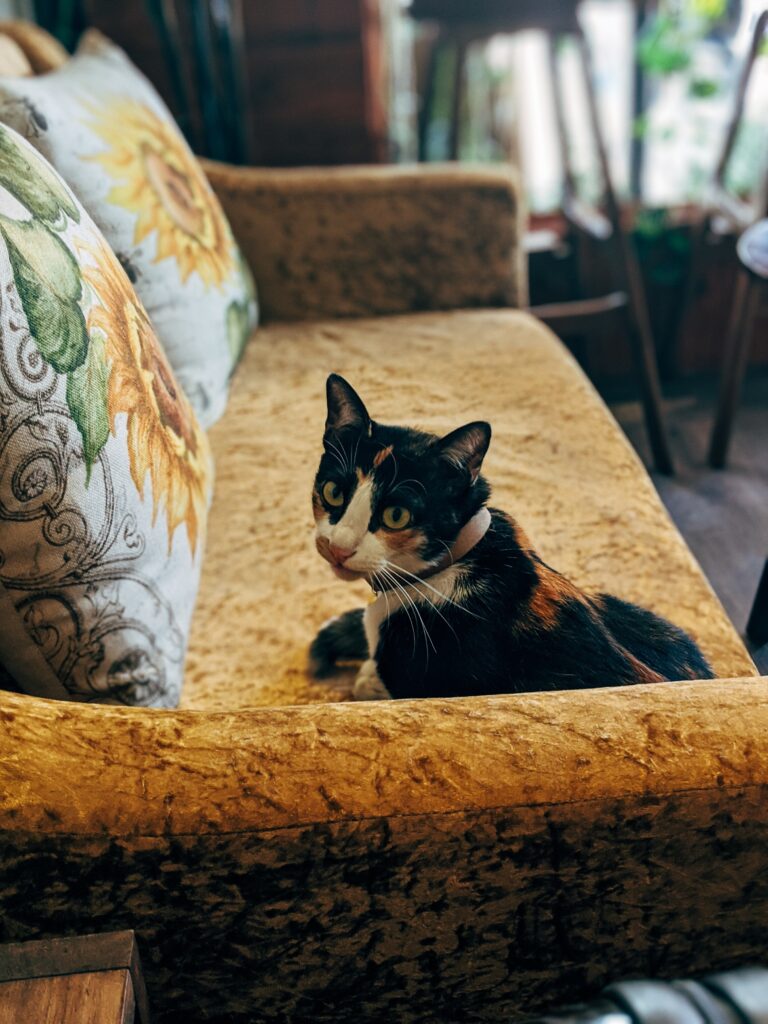
Why Do Cats Claw the Sofa?
According to the Cornell Feline Health Center, scratching is a vital part of feline health. It isn’t just about sharpening claws; it is about muscle health and psychological security.
1. The Sofa as a “Scent Billboard”
Cats have scent glands in their paws. When you see your cat clawing sofa corners, they are actually depositing pheromones. Because the sofa is in a high-traffic area where you sit, your cat wants to “mix” their scent with yours to feel secure. This is a territorial “shout out” that says the house is safe.
2. High Arousal and “The Zoomies”
Have you ever seen your cat sprint across the room and then suddenly stop to shred the upholstery? Research into feline displacement behaviors suggests that cats scratch when they have “arousal overflow.” If they are excited or frustrated, the sofa provides the perfect resistance to “dump” that extra energy quickly.
3. The “Contrafreeloading” Instinct
A study published in Animal Cognition found that most animals prefer to work for their resources. When a cat has no “job” to do, like hunting or climbing, they create their own work. Often, that work involves re-decorating your living room. This is why enrichment for house cats is so important.
The “Sofa vs. Post” Battle: Why the Sofa is Winning
In many homes, a cat clawing sofa issue happens because the “legal” alternative is actually terrible. Cats are looking for three specific things that your sofa currently provides better than a cheap scratching post:
- Stability: If your scratching post wobbles when the cat touches it, they won’t use it. The sofa is heavy and sturdy.
- Height: Cats need a full-body stretch to realign their spine. If the post is too short, they will look for the taller option.
- Location: We often hide scratching posts in corners. Cats want to scratch where the action is, right in the living room.
If you suspect your cat is scratching due to insecurity, check out our Cat Body Language Mood Decoder to see if their ears or tail are showing signs of hidden stress.
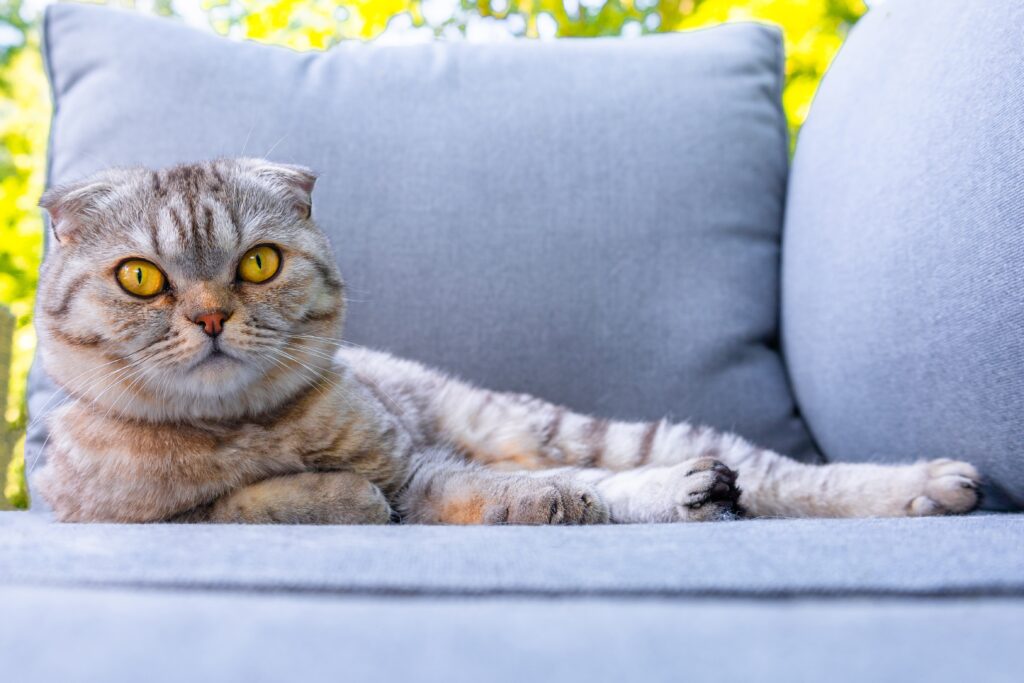
How to Stop the Behavior (Step-by-Step)
Step 1: Provide “Elite” Alternatives
You need at least one post that is tall enough for your cat to stand on their hind legs and fully extend. It must be heavy and placed exactly where the cat clawing sofa behavior currently occurs. If you have a senior cat, they might prefer horizontal cardboard scratchers due to arthritis.
Step 2: Make the Sofa “Unpleasant”
Use double-sided sticky tape or a smooth furniture guard on the targeted corners. Cats hate the tactile sensation of something sticky or slippery on their paws. It breaks the habit by removing the satisfaction of the “shred.”
Step 3: Positive Redirection
Never shout at your cat. If you catch them in the act, gently guide them to the post. When they take even one scratch at the post, reward them with a high-value treat. We want to build a “positive association” with the post so they choose it over the furniture.
Step 4: Rule Out Stress
Sudden, frantic scratching can be a sign of cat separation anxiety. If the scratching is paired with yowling or litter box issues, it is time to look at their overall stress levels and perhaps increase their interactive playtime.
Final Thoughts
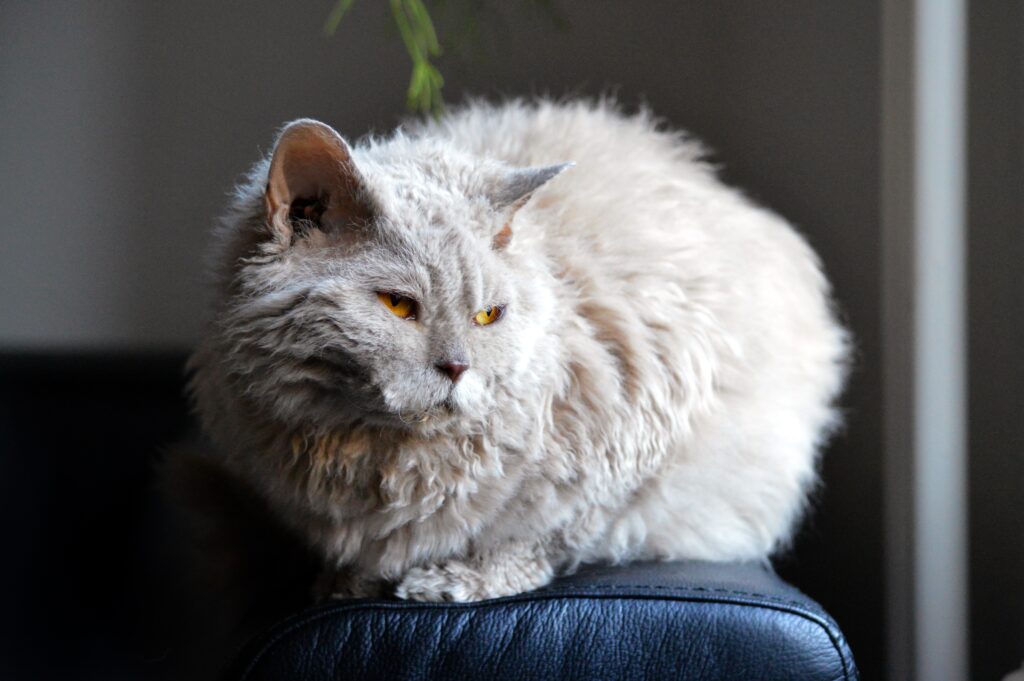
Your cat isn’t trying to destroy your home. They are trying to communicate that they need a taller, sturdier place to stretch and mark their territory. Once you provide a “better” sofa (in the form of a great scratching post), the cat clawing sofa behavior usually shifts within 2 to 4 weeks.
Remember, your cat is a roommate, not a rebel. For more tips on living in harmony, check out my guide on why cats hide when they are stressed.
Frequently Asked Questions
The most common questions cat owners ask about cat clawing sofa behavior, answered clearly and concisely.